Smile Symmetry: Balancing Your Teeth and Facial Features for Natural-Looking Results
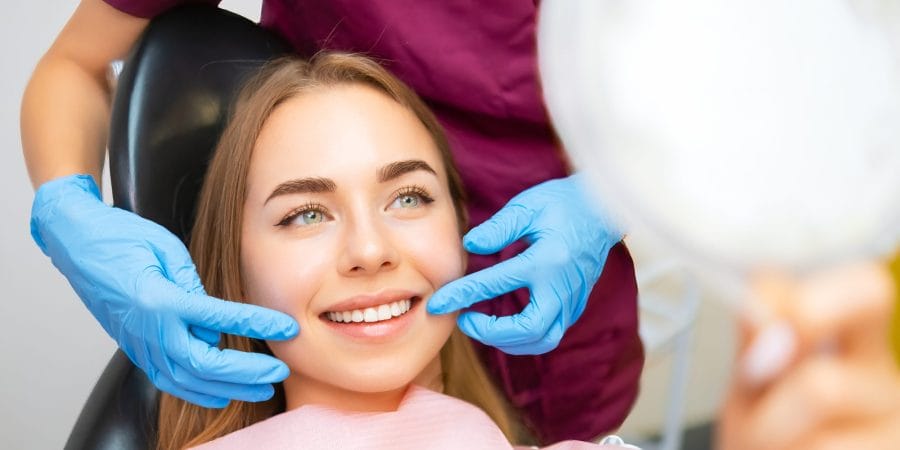
When you look in the mirror, you probably notice more than your teeth. You see how your smile fits your face, how your lips sit when you talk, and whether the corners of your mouth lift evenly. That overall sense of balance is what many people mean when they talk about facial symmetry and a confident smile.
At Rhonda K. Bowen, DDS in Colorado Springs, we love helping you feel comfortable while you explore aesthetic concerns in a calm, supportive setting. You can settle in, feel listened to, and get clear guidance on treatment options that keep your results looking natural. When dentistry and dermal fillers are planned together, small refinements can create a more harmonious smile that still looks like you.
What “smile symmetry” really means (and why it feels so noticeable)
Smile symmetry is the way your teeth, lips, and facial proportions line up from the center of your face outward. A symmetrical smile often has balanced tooth sizes, a smooth curve along the upper teeth, and a bite that supports even movement of the jaw and lips. If something is slightly off, you may see an uneven smile, a crooked smile, or a lopsided smile in photos. You might also notice uneven teeth, uneven gum lines, or uneven tooth wear that makes one side look shorter or flatter.
It helps to remember that mild facial asymmetry is normal. Most faces are not perfectly even, and facial muscles naturally pull a little differently from one side of the face to the other. The goal is not “perfect,” it is facial harmony. When your tooth structure, gum tissue, lips, and jaw alignment work together, your smile reads as relaxed, balanced, and easy.
Common causes of an asymmetrical smile
An asymmetrical smile can start in the teeth, in the bite, or in the way the facial muscles move. Some common causes are simple and gradual, while others are tied to medical conditions that need prompt attention.
Here are a few patterns we see often in cosmetic dentistry consultations:
- Crooked teeth or spacing that pulls the smile line off-center
- Jaw misalignment or jaw alignment changes over time, sometimes connected to the temporomandibular joint
- Uneven tooth wear from grinding or a bite that hits harder on one side of the mouth
- Restorations that no longer match the surrounding tooth shape, such as older crowns that sit slightly different from neighboring teeth
- Changes in facial balance that come from volume loss around the lips and lower face
If you ever experience sudden facial asymmetry, facial paralysis, or weakness around the corners of the mouth, contact a medical professional right away. Concerns such as Bell’s palsy, nerve damage, or weakness can affect the lower lip, upper lip, and the corners of your mouth, and they deserve timely evaluation. In some situations, physical therapy and facial exercises are recommended as part of a broader care plan.
Can dentistry help facial symmetry?
Yes. Dentistry often provides the first step because your teeth and bite act like the foundation for facial balance. When the bite is stable and the teeth are shaped and aligned well, the lips tend to rest more evenly, and your smile can look naturally centered without you forcing it.
Depending on what you and Dr. Bowen see during your visit, treatment plans may include:
- Clear aligners or another orthodontic treatment to guide crooked teeth into straighter teeth and improve smile asymmetry
- Porcelain veneers to refine uneven teeth, reshape edges, and support a smoother smile design
- Crowns to restore tooth structure and correct uneven tooth wear, especially when one side looks shorter
- Dental bonding for small shape changes or minor chips that make one side of the mouth look different in photos
Because oral health comes first, we also look at gum tissue, bite forces, and any signs of inflammation before planning cosmetic procedures. When your foundation is healthy, your aesthetic results tend to look cleaner and last longer.
How dermal fillers support facial balance around the smile
Teeth are only part of what you see when you smile. The lips, the skin around the side of the mouth, and the way the facial muscles move all play a role. Dermal fillers are designed to add subtle support and smoothness in areas where volume has thinned. For the right person, that can help the upper lip and lower lip look more even, and it can soften the look of a droop at the corners of the mouth.
Fillers are not about changing who you are. In a conservative, planned approach, they can help your dental improvements blend beautifully with your face. Patients often appreciate that the changes look refreshed, not “done.”
In some cases, Botox injections using botulinum toxin can also be part of cosmetic procedures when overactive muscles pull one side more strongly. This can be especially helpful when facial muscles create a strong uneven pull at the corners of your mouth or along the side of your mouth.
What’s the best way to combine dentistry and fillers for natural results?
The best results come from sequencing and coordination. Your teeth influence your lips, and your bite can influence lower-face posture, so we typically start with the dental foundation and build outward. That approach makes it easier to avoid overfilling and to keep facial proportions looking balanced.
A simple, patient-friendly process often looks like this:
- Consultation and evaluation: We talk about your goals, take a close look at smile asymmetry, and discuss what you notice on the side of the face that feels “different.”
- Dental refinement first (when needed): Clear aligners, crowns, dental bonding, or porcelain veneers can address crooked teeth, uneven teeth, or uneven tooth wear.
- Soft-tissue finishing touches: Dermal fillers and, when appropriate, Botox injections can fine-tune facial balance around the lips and smile.
- Comfortable follow-up: We check how everything is settling and make sure you feel confident in both the look and the feel.
This is also where an experienced, steady hand matters. Small changes in smile design can have a big visual impact, and subtle filler placement can help maintain facial harmony.
When your smile asymmetry could be a medical concern
Most asymmetrical face concerns are cosmetic or bite-related, but some situations point to medical conditions. If you ever notice a new crooked smile, sudden drooping at the side of the mouth, or difficulty controlling the corners of the mouth, do not wait it out. Sudden changes can relate to facial paralysis, Bell’s palsy, or other nerve-related concerns, and muscle weakness should be evaluated promptly. Dental care can support recovery and comfort, but medical guidance comes first in those scenarios.
Ready to create a more harmonious smile in Colorado Springs?
If you have been thinking about facial balance, crooked teeth, or an asymmetrical smile in photos, we would love to help you sort through the possibilities in a relaxed, supportive environment. At Rhonda K. Bowen, DDS (LD), your comfort guides the experience from the moment you arrive, and our team takes time to listen so your plan feels clear and unrushed.
Call our Colorado Springs office to request an appointment. We will help you feel at ease, understand your options, and move toward the natural-looking results you have been hoping for.