Snoring, Sleep Apnea, and Facial Structure: The Overlooked Link Between Airway Health and Facial Balance
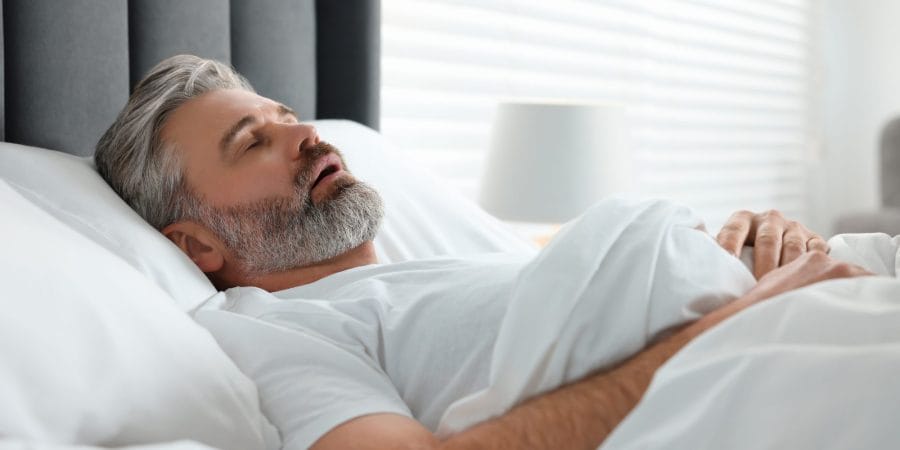
A good night’s sleep can feel like a reset button. Your body softens, your mind quiets down, and you wake up with more patience, energy, and clarity. When snoring and sleep apnea treatment enter the picture, that reset can disappear. Sleep becomes choppy, breathing interruptions feel normal, and daytime sleepiness sneaks into work, workouts, and even your mood.
At Rhonda K. Bowen, DDS in Colorado Springs, we help patients connect the dots between airway health, sleep quality, and how the face and jaw function over time. The relationship is easy to miss because it shows up in small ways: a tight jaw in the morning, headaches, a sore neck, or a partner saying you gasp at night. Understanding what’s happening in the upper airway and throat muscles allows you to choose treatment options that support better sleep and more balanced function.
Why snoring and sleep apnea can affect facial balance
Snoring often starts with a narrow upper airway or relaxed tissues near the soft palate and back of the throat. As air pressure moves through a smaller space, vibrations increase, creating that familiar sound. In obstructive sleep apnea, the airway can partially or fully collapse, causing blockages and repeated breathing interruptions that reduce oxygen and disrupt deep sleep.
Over time, your body adapts. Many people position their lower jaw forward or tense facial and neck muscles to pull air in, especially during sleep. This ongoing strain can influence how the jaw joints feel, how the bite comes together, and how facial muscles hold tension during the day. Since facial structure is shaped by bone, teeth, and muscle patterns, nightly effort to breathe can quietly show up as clenching, discomfort, or a “tired” facial appearance.
What is sleep apnea, and how is it measured?
Sleep apnea is one of the most common sleep disorders in the U.S., typically falling into two categories: obstructive sleep apnea and central sleep apnea. Obstructive sleep apnea involves physical collapse or narrowing in the upper airway, while central sleep apnea involves disrupted breathing signals from the brain. Diagnosis often requires a sleep study and measurements like the hypopnea index or apnea-hypopnea index.
Severity matters. Mild sleep apnea may feel like fatigue and snoring, while severe sleep apnea can strain the cardiovascular system. Symptoms often include loud snoring, pauses in breathing, choking or gasping, morning headaches, irritability, insomnia, and difficulty concentrating. Many patients also notice waking up at night to use the bathroom, memory issues, or decreased sexual desire, all linked to fragmented sleep.
Could your jaw position be part of the problem?
Jaw position plays a significant role in airflow. When the lower jaw sits back, the tongue and soft tissues can crowd the back of the throat, narrowing the upper airway and increasing pressure demands during sleep. For some, this pattern shows up as jaw soreness, clenching, or tension around the temples, especially after nights of loud snoring.
Facial structure and bite also influence tongue position, nasal breathing, and throat muscle behavior at night. While anatomy can contribute to sleep apnea, other risk factors include body weight, alcohol use, nasal congestion, and large tonsils. A thoughtful evaluation helps identify what’s driving your symptoms.
How do CPAP and PAP therapy work, and why do some patients struggle with them?
Continuous positive airway pressure (CPAP) is a gold standard treatment for obstructive sleep apnea, especially in moderate to severe cases. A CPAP machine delivers steady air pressure to keep the airway from collapsing. Some patients use bilevel positive airway pressure (BiPAP), which adjusts pressure for inhaling and exhaling, or expiratory positive airway pressure systems. These approaches stabilize breathing by maintaining airflow.
However, some patients find the mask, noise, or dryness challenging. Side effects can include irritation, difficulty tolerating pressure, or reduced comfort, which may impact consistency. When CPAP feels like a barrier, patients often explore alternatives like oral appliances, positional therapy, lifestyle changes, or further evaluation.
Sleep apnea treatment options that feel more comfortable and supportive
Treatment works best when it fits your life. Lifestyle changes like weight loss and reducing alcohol can help, particularly when body weight is a major factor. Positional therapy can be useful when symptoms worsen on the back. Oral appliances, such as mandibular advancement devices, move the lower jaw forward to keep the airway more open in appropriate cases.
At Dr. Bowen’s office, we offer a gentle, non-invasive option for snoring and mild sleep concerns using Fotona® NightLase laser technology. NightLase tightens tissue in the back of the throat by supporting collagen in targeted areas, reducing breathing obstructions and improving airflow. If you snore and want an alternative to CPAP, we offer a complimentary consultation for Laser Snore Therapy and sleep apnea treatment to discuss symptoms, concerns, and overall health in a calm, unhurried setting.
How clear aligners and restorative dentistry can support airway-minded care
Airway-focused dentistry often involves examining bite balance, tooth position, and jaw function over time. Clear aligners can guide teeth into healthier positions, improving bite alignment and reducing jaw muscle strain. Restorative dentistry can also help when worn teeth or an unstable bite contribute to clenching and tension, especially in patients already feeling strain from disrupted sleep.
These dental services are not cures for sleep disorders and do not replace diagnosis from a healthcare provider. Instead, they support comfort, function, and long-term oral wellness. A stable bite and relaxed muscles can help many people wake up feeling more refreshed and prepared for the day.
Can Botox help with facial muscle strain related to snoring?
Botox® can be a supportive option for patients with significant muscle tension in areas like the jaw. Some people with sleep disruption and clenching wake up with tightness, soreness, or headaches, and gentle muscle relief may reduce that strain. The goal is comfort and ease, especially when muscle overuse affects daily life.
Any use of Botox should be part of a personalized plan that considers your symptoms, bite, and overall health. If sleep apnea is suspected, treating the airway problem remains central, as the best care supports both breathing and the muscles compensating for it.
What signs suggest it’s time to ask about sleep apnea treatment?
If you’re wondering whether your snoring is typical or a sign of something deeper, pay attention to recurring patterns. A single rough night happens to everyone, but ongoing symptoms deserve a closer look.
Common signs include:
- Loud snoring with quiet pauses, followed by gasping
- Waking up tired, foggy, or with daytime sleepiness
- Morning headaches, dry mouth, or jaw soreness
- Irritability, trouble concentrating, or memory loss
- Reports of breathing interruptions from a partner
Even mild sleep apnea can affect energy and mood, while severe sleep apnea can connect with high blood pressure, heart disease risk, and broader health concerns. Bringing your symptoms to a trusted provider is essential.
What happens during a calm, supportive consultation in Colorado Springs?
You deserve to feel listened to, never rushed. During a consultation, our team reviews your sleep concerns, discusses possible sleep apnea causes and risk factors, and explores treatment options that match your comfort level. If you’re considering NightLase for snoring, we explain how the gentle laser targets tissue in the back of the throat and what to expect.
If your symptoms suggest severe obstructive sleep apnea, we can guide you toward the next steps with your healthcare provider. Some patients may consider surgical treatments, such as sleep apnea surgery, upper airway stimulation, or hypoglossal nerve stimulation. Options like Inspire therapy are typically reserved for specific needs and evaluated by medical specialists.
A calmer path to better sleep starts with a conversation
Snoring may seem like a small annoyance, but the way you breathe at night affects how you feel, function, and carry stress. Consistent, restorative rest gives your body space to heal, your mind room to focus, and your smile a more relaxed foundation.
If you’re ready to explore sleep apnea treatment in Colorado Springs, Dr. Rhonda K. Bowen and our team would love to help. We offer a complimentary consultation for Laser Snore Therapy and sleep apnea treatment. Schedule an appointment today, and we’ll help you settle into a plan that supports comfort, confidence, and better sleep.